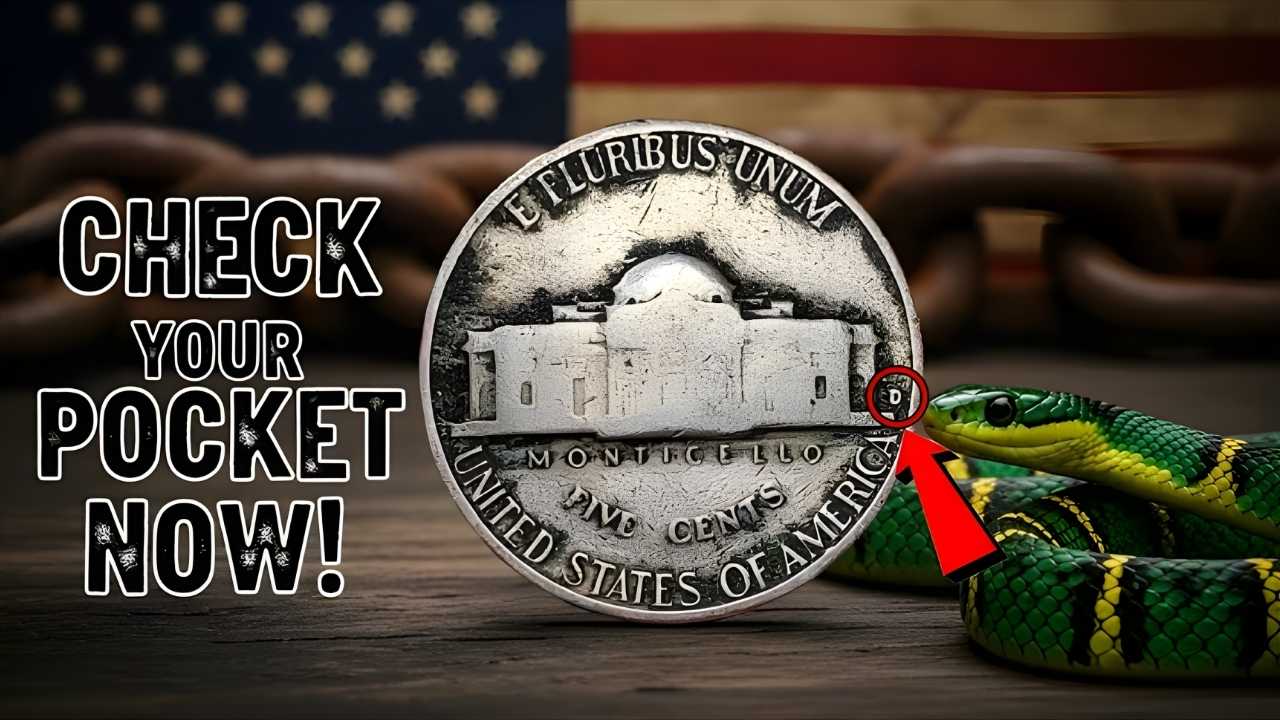
Top 3 Rare War Nickels Worth Big Money: During World War II, the United States faced a critical shortage of metals needed for the war effort. Nickel was one of those essential materials, used in the production of weapons and military equipment. To conserve resources, the U.S. Mint altered the composition of the five cent coin between 1942 and 1945. These coins, known as War Nickels, contained 35 percent silver, 56 percent copper, and 9 percent manganese. The inclusion of silver makes them unique among nickels and gives them intrinsic value beyond their face value.
War Nickels are easily identifiable by the large mint mark placed above the dome of Monticello on the reverse. This was the first time the Mint used such a prominent mark, and it remains a key feature for collectors today. While millions were produced, certain rare varieties and conditions have made some War Nickels worth big money.
Why War Nickels Can Be Valuable
The value of a War Nickel depends on rarity, condition, and collector demand. Because they contain silver, even common examples are worth more than five cents. However, rare dates, mint errors, and high grade coins can command prices far beyond their silver content. For collectors, the thrill lies in discovering these hidden treasures in pocket change or old coin jars.
The 1942 D Over Horizontal D Nickel
One of the most famous War Nickels is the 1942 D over horizontal D variety. This error occurred when the Denver Mint accidentally punched the mint mark twice, once horizontally and then correctly. The result is a distinctive overlapping mint mark that is highly prized by collectors. In circulated condition, this coin can be worth hundreds, but in high grades it has sold for thousands. Its rarity and striking appearance make it one of the top War Nickels to look for.
The 1943 P Doubled Eye Nickel
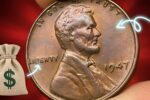
Another valuable variety is the 1943 P doubled eye nickel. This error is visible on Lincoln’s portrait, where the eye appears doubled due to a misalignment during the die creation process. The doubling is clear and dramatic, making the coin easy to identify. Collectors love this variety because it combines rarity with visual appeal. Depending on condition, the 1943 P doubled eye nickel can be worth hundreds or more, especially in Mint State grades.
The 1945 P Doubled Die Reverse Nickel
The third rare War Nickel worth big money is the 1945 P doubled die reverse. On this coin, the lettering and design elements on the reverse show clear doubling. This error adds uniqueness and scarcity, driving up collector interest. High grade examples of the 1945 P doubled die reverse have sold for thousands at auction. It is considered one of the most important varieties in the War Nickel series.
Other Rare and Valuable War Nickels
While the three coins mentioned above are the most famous, other War Nickels can also be valuable. Low mintage years, unusual toning, and proof issues are all sought after. Even common dates can be worth more if they are in exceptional condition. Collectors often seek complete sets of War Nickels, and rare varieties add prestige to any collection.
Grading and Condition
Condition plays a critical role in determining value. A rare coin in poor condition may be worth only a fraction of its potential value. Coins are graded on a scale from Poor to Mint State 70, with higher grades commanding higher prices. Uncirculated coins with sharp details and bright luster are especially valuable. Professional grading services provide certification that gives buyers confidence and often increase the selling price.
Record Breaking Sales
Over the years, rare War Nickels have achieved impressive sales at auction. The 1942 D over horizontal D, the 1943 P doubled eye, and the 1945 P doubled die reverse have all sold for thousands in high grades. These record sales demonstrate the incredible value hidden in this wartime coinage. For collectors, the possibility of discovering such a treasure adds excitement to the hobby.
How to Spot Valuable War Nickels
If you want to check your own coins, start by looking for the large mint mark above Monticello. This indicates a War Nickel. Next, examine the date and mint mark carefully. The 1942 D over horizontal D is a famous variety, while the 1943 P doubled eye and 1945 P doubled die reverse are also key coins. Study the design for unusual features such as doubling or misaligned elements. Finally, consider condition. Coins with sharp details, no wear, and bright luster are worth more.
The Collector’s Perspective
For many collectors, War Nickels are more than just potential profit. They represent a piece of American history, reflecting the sacrifices made during World War II. The silver content adds intrinsic value, while the unique design features make them fascinating to study. Holding a rare War Nickel is like holding a piece of the past, connecting everyday life with the world of numismatics.
Building a Collection
If you are interested in collecting War Nickels, start with circulation finds. Many people still have jars of old coins tucked away, and War Nickels often appear in them. From there, you can expand into key dates, proof coins, and error varieties. Attending coin shows, auctions, and online marketplaces can help you discover rare pieces. Building a collection is a rewarding journey that combines history, art, and the thrill of discovery.
Final Thoughts
War Nickels are among the most fascinating coins in American history. Created during a time of national sacrifice, they contain silver and carry unique design features. While most are worth only a modest premium, rare varieties such as the 1942 D over horizontal D, the 1943 P doubled eye, and the 1945 P doubled die reverse can be worth thousands. For collectors, the value lies not only in the potential profit but also in the history and artistry of the coin. Whether you are searching through pocket change or bidding at auction, War Nickels offer a fascinating journey into America’s past and the world of numismatics.