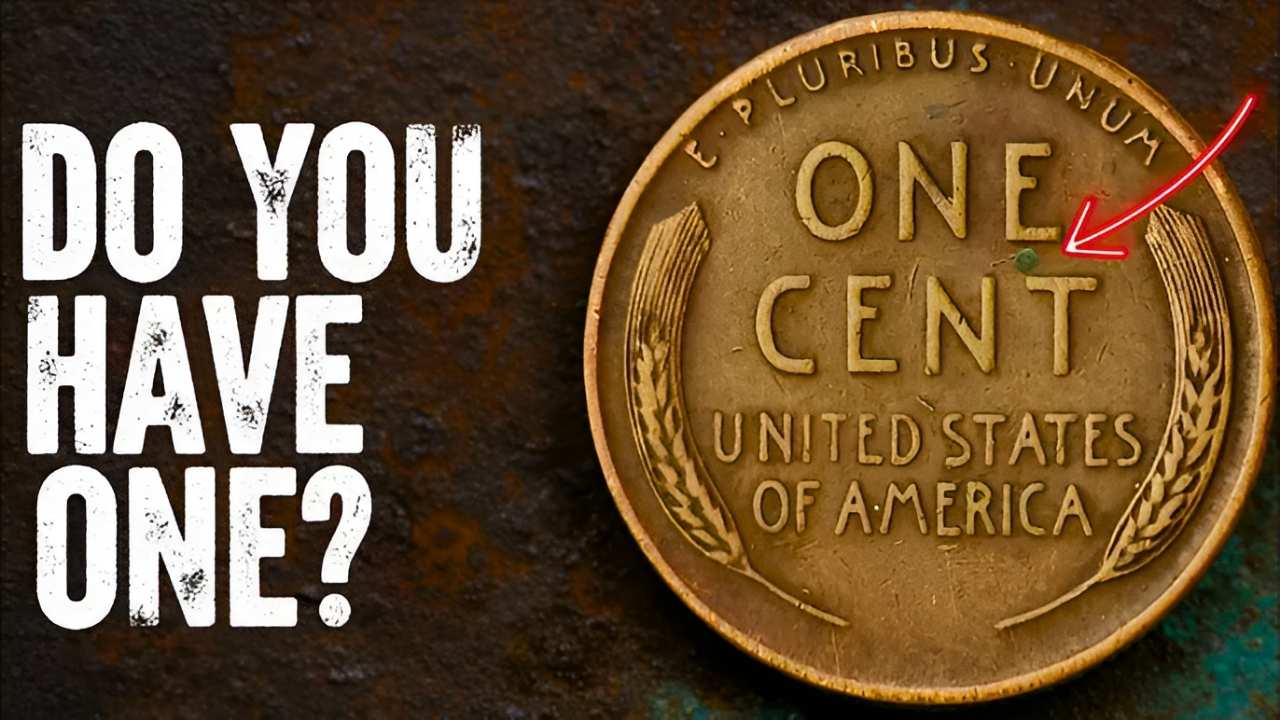
Rare U.S. Wheat Pennies Worth Millions: The Wheat Penny is one of the most beloved coins in American numismatics. Minted between 1909 and 1958, these coins feature the portrait of Abraham Lincoln on the obverse and two wheat stalks on the reverse. While most Wheat Pennies are worth only a few cents, certain rare varieties have become legendary, selling for thousands or even millions of dollars. In 2026, collectors continue to search for these treasures, hoping to uncover hidden wealth in old jars, drawers, and family collections. This guide explores the history, rarity, and value of Wheat Pennies, showing why they remain such a prized collectible.
The History of the Wheat Penny
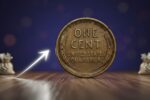
The Wheat Penny was introduced in 1909 to commemorate the 100th anniversary of Abraham Lincoln’s birth. Designed by Victor David Brenner, the coin was the first U.S. cent to feature a president’s portrait. The reverse design, with two wheat stalks framing the words “One Cent,” symbolized prosperity and growth. The Wheat Penny remained in circulation until 1958, when it was replaced by the Lincoln Memorial design. Today, Wheat Pennies are cherished for their historical significance and nostalgic appeal.
Why Wheat Pennies Are Valuable
The value of Wheat Pennies depends on several factors, including rarity, condition, and demand. Coins with low mintage numbers are naturally scarcer, while error varieties add uniqueness that collectors love. Condition is equally important, as well-preserved coins with sharp details and original luster are far more valuable than worn examples. When rarity and condition combine, the result can be a penny worth thousands or even millions of dollars.
Key Dates in Wheat Penny Collecting
Certain dates stand out as key issues in Wheat Penny collecting. The 1909-S VDB penny is one of the most famous, with only 484,000 minted. The 1914-D penny is another rarity, prized for its low mintage and scarcity in high grades. The 1922 No D penny, created by a minting error in Denver, is also highly sought after. These coins represent the pinnacle of Wheat Penny collecting and are highly coveted by enthusiasts.
The 1909-S VDB Penny
The 1909-S VDB penny is often considered the holy grail of Wheat Pennies. Minted in San Francisco, it features the initials of designer Victor David Brenner on the reverse. Controversy over the prominent initials led to their removal, making the 1909-S VDB a rare variety. High-grade examples have sold for tens of thousands of dollars, cementing its status as a legendary collectible.
The 1914-D Penny
The 1914-D penny is another key rarity. With a mintage of just over one million, it is far scarcer than other pennies of the era. Collectors prize this coin for its scarcity and its place in the Wheat Penny series. High-grade examples can sell for thousands, and even circulated coins are worth far more than their face value.
The 1922 No D Penny
Error coins add excitement to collecting, and the 1922 No D penny is a prime example. This variety was created when a die intended for Denver was overused, resulting in coins without a visible mint mark. Collectors love this coin for its uniqueness, and high-grade examples can sell for thousands. It remains one of the most famous error pennies in American numismatics.
The 1943 Copper Penny
One of the most legendary Wheat Pennies is the 1943 copper penny. During World War II, pennies were struck in steel to conserve copper for the war effort. A few copper planchets were mistakenly used, creating one of the rarest coins in American history. Only a handful are known to exist, and they have sold for millions at auction. The 1943 copper penny is a dream find for collectors.
The 1955 Doubled Die Penny
The 1955 doubled die penny is another famous error variety. Created when a die was misaligned during production, the coin features doubled lettering on the obverse. Collectors prize this coin for its distinct appearance, and high-grade examples can sell for thousands. It remains one of the most popular error coins in the Wheat Penny series.
The Role of Mint Marks
Mint marks play a crucial role in determining the rarity of Wheat Pennies. Coins were produced at multiple mints, including Philadelphia, Denver, and San Francisco. Mint marks help identify the origin of a coin and can influence its scarcity. For example, the 1914-D penny is far rarer than its Philadelphia counterpart. Collectors carefully examine mint marks when assessing the value of a Wheat Penny.
Condition and Grading
Condition is one of the most important factors in determining the value of a Wheat Penny. Coins are graded on a scale from Poor to Mint State, with higher grades commanding higher prices. A heavily circulated penny may only be worth a modest amount, while an uncirculated example with sharp details and original luster can sell for thousands. Professional grading services provide certification that adds credibility and often increases the value of a coin.
Auction Stories and Bidding Wars
Rare Wheat Pennies have been at the center of several notable auctions. Collectors have competed fiercely for high-grade examples, driving prices to impressive levels. Stories of coins selling for thousands or even millions highlight the enduring appeal of these treasures. These bidding wars reflect not only the rarity of the coins but also the passion of collectors who value their artistry and history.
How to Identify Valuable Wheat Pennies
Identifying valuable Wheat Pennies requires careful examination. Start by checking the date and mint mark to determine rarity. Next, assess the condition by looking for sharp details, original luster, and minimal wear. Pay special attention to potential errors, such as doubled dies or missing mint marks. Coins with professional certification are easier to sell and often command higher prices. Even common examples can be worth more if they are well preserved.
Collecting Wheat Pennies Today
Collecting Wheat Pennies remains a rewarding hobby in 2026. The series offers a mix of affordable coins for beginners and rare varieties for advanced collectors. Building a complete set can be challenging, but the pursuit is part of the enjoyment. Many collectors appreciate the historical connection and artistic beauty of these coins, making them a timeless addition to any collection.

Investment Potential of Rare Wheat Pennies
Beyond hobbyist interest, rare Wheat Pennies also hold investment potential. Coins like the 1909-S VDB and the 1943 copper penny have historically appreciated in value, and demand for iconic pieces remains strong. Investors often focus on high-grade examples and key dates, which are more likely to increase in value over time. While coin collecting should primarily be enjoyed as a passion, the financial rewards can be significant.
Tips for Beginners
For those new to collecting Wheat Pennies, start by learning about the series and familiarizing yourself with key dates and varieties. Purchase a coin guide or reference book to help identify valuable pieces. Begin with affordable coins in lower grades, then gradually expand to rarer examples. Always buy from reputable dealers and consider professional grading for high-value coins. Patience and knowledge are key to building a successful collection.
Preserving Your Collection
Proper preservation is essential to maintaining the value of Wheat Pennies. Store coins in protective holders to prevent damage. Avoid cleaning coins, as this can reduce their value. Keep your collection in a cool, dry environment to prevent tarnishing. With proper care, Wheat Pennies can be enjoyed for generations and passed down as treasured heirlooms.
The Legacy of Wheat Pennies
Rare Wheat Pennies remain symbols of American heritage and artistry. Their designs capture ideals of liberty and prosperity, while their rarity reflects the challenges of coin production. More than a century after some of these coins were minted, they continue to inspire collectors and historians alike. In 2026, rare Wheat Pennies are not just pieces of currency but treasured artifacts of American culture.
Conclusion
The Rare U.S. Wheat Pennies Worth Millions 2026 Collector’s Guide shows that these coins are more than just pocket change. They represent history, artistry, and the thrill of discovery. Rare varieties and high-grade examples can be worth thousands or even millions of dollars, making them a fascinating pursuit for collectors and investors. Whether found in a change jar or purchased at auction, Wheat Pennies continue to captivate those who seek them and stand as a testament to the enduring appeal of coin collecting.