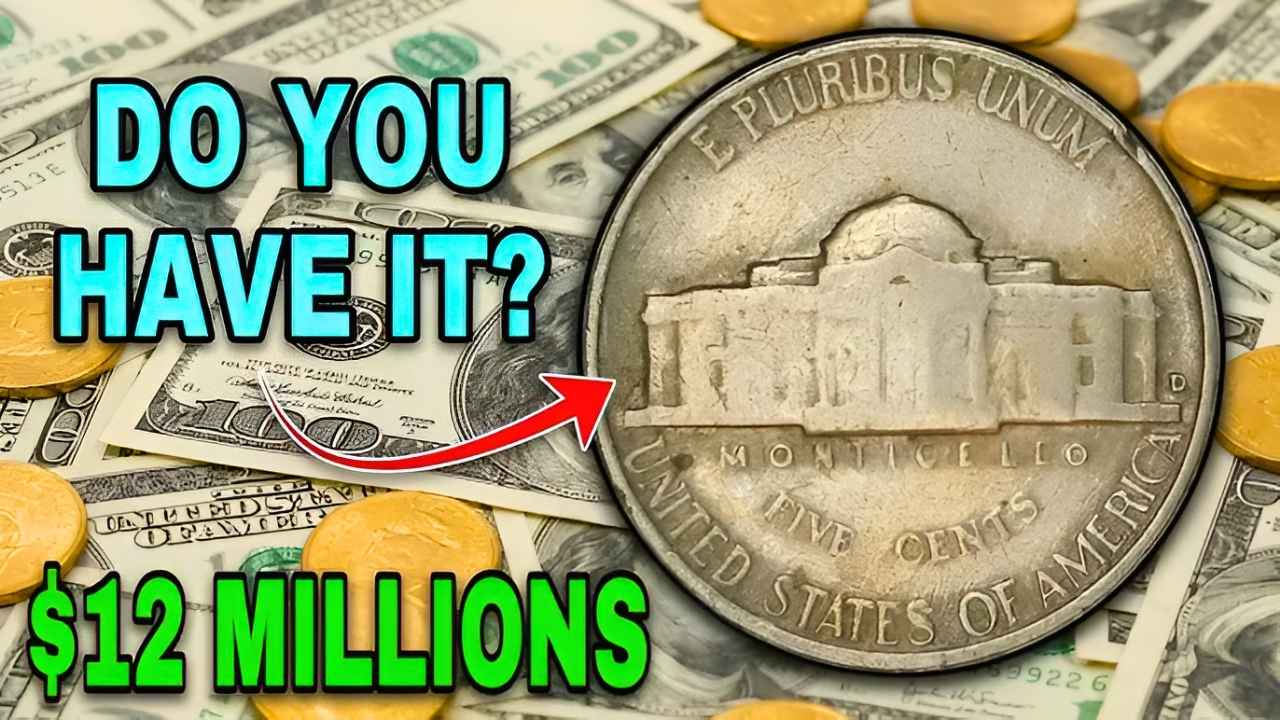
Rare 1964 Nickel Worth Money: The Jefferson Nickel has been a staple of American coinage since 1938, featuring the portrait of President Thomas Jefferson on the obverse and his home, Monticello, on the reverse. Among the many years of production, the 1964 nickel stands out as a fascinating piece for collectors. While most nickels from this year are common, certain varieties, minting errors, and high-grade examples have become highly valuable. Understanding the rarity and price insights of the 1964 nickel helps collectors appreciate its place in numismatic history.
Historical Context
The year 1964 was a turning point in American coinage. Due to a coin shortage, the United States Mint produced an extraordinary number of nickels, with over a billion struck across different mints. This massive production makes most 1964 nickels common today. However, the sheer volume also led to minting errors and varieties that are now considered rare and collectible. For collectors, the challenge lies in identifying those special coins hidden among the ordinary.
Mint Marks and Their Importance
In 1964, nickels were produced at both the Philadelphia and Denver mints. Philadelphia coins carried no mint mark, while Denver coins bore a D. Although both varieties are widely available, condition and minting anomalies determine their value. Collectors often seek nickels with sharp details, full steps on Monticello, and unusual minting characteristics.
The Full Steps Designation
One of the most important factors in evaluating Jefferson Nickels is the Full Steps designation. This refers to the clarity of the steps on Monticello’s depiction on the reverse. Coins that show all five or six steps clearly are rare, especially from 1964. Full Steps nickels are highly prized by collectors and can command significant premiums compared to regular strikes.
Error Coins from 1964
Minting errors add another layer of intrigue to the 1964 nickel. Off-center strikes, double dies, and die cracks are among the errors that can make a coin valuable. Some nickels from this year show doubling on the date or lettering, while others exhibit unusual planchet flaws. These errors are rare and often discovered by chance, making them exciting finds for collectors.
Proof Nickels of 1964
Proof nickels were struck in Philadelphia for collectors, featuring sharp details and mirror-like surfaces. While proof coins are generally more valuable than circulation strikes, certain varieties stand out. Proof nickels with cameo contrast, where Jefferson’s portrait appears frosted against a mirrored background, are especially desirable. High-grade proof nickels from 1964 can sell for impressive sums.
Condition and Grading
Condition plays a crucial role in determining the value of a 1964 nickel. Circulated coins are usually worth only face value, but uncirculated examples can be worth much more. Professional grading services evaluate coins based on strike quality, luster, and preservation. A 1964 nickel in mint state with Full Steps can be worth hundreds, while proof coins in perfect condition may reach even higher values.
Why Collectors Value the 1964 Nickel
Collectors are drawn to the 1964 nickel for several reasons. First, it represents a pivotal year in American coinage history, marked by massive production and economic change. Second, the presence of rare varieties and errors makes it an exciting coin to search for. Finally, the challenge of finding Full Steps nickels adds an element of skill and patience to collecting. For many numismatists, the 1964 nickel is a rewarding pursuit.
Famous Auction Sales
Over the years, rare 1964 nickels have appeared at auctions and fetched impressive prices. Full Steps nickels in high grades have sold for hundreds or even thousands, depending on rarity and demand. Proof nickels with cameo contrast have also commanded strong prices. These auction records highlight the enduring appeal of the 1964 nickel and the willingness of collectors to pay big money for exceptional examples.
Tips for Identifying Rare 1964 Nickels
Collectors should carefully examine their 1964 nickels for strike quality and potential errors. A magnifying glass or microscope can reveal details such as doubled lettering, die cracks, or full steps on Monticello. Comparing coins to reference guides and consulting professional graders can help confirm rarity. Patience and attention to detail are essential, as rare coins often hide in plain sight.
The Thrill of Coin Collecting
The pursuit of rare coins like the 1964 nickel is part of the broader joy of coin collecting. Collectors enjoy the challenge of finding hidden gems, learning about history, and building collections that reflect personal interests. The financial rewards are an added bonus, but the true value lies in the stories coins tell and the connections they create across generations.
Investment Potential
Rare coins, including the 1964 nickel, can also serve as investments. Their value tends to appreciate over time, especially for scarce varieties and high-grade examples. While coin collecting should primarily be a hobby, many collectors view their collections as long-term assets. The rarity and demand for coins like the 1964 Full Steps nickel or proof varieties make them attractive options for those seeking alternative investments.
Conclusion
The 1964 nickel may seem ordinary at first glance, but hidden within its ranks are rare varieties and errors that command big money. From Full Steps nickels to proof coins with cameo contrast, these treasures capture the imagination of collectors and investors alike. Their value lies not only in their monetary worth but also in their historical significance and the thrill of discovery. For anyone interested in coin collecting, the 1964 nickel is a reminder that even the smallest coins can hold extraordinary stories and treasures.