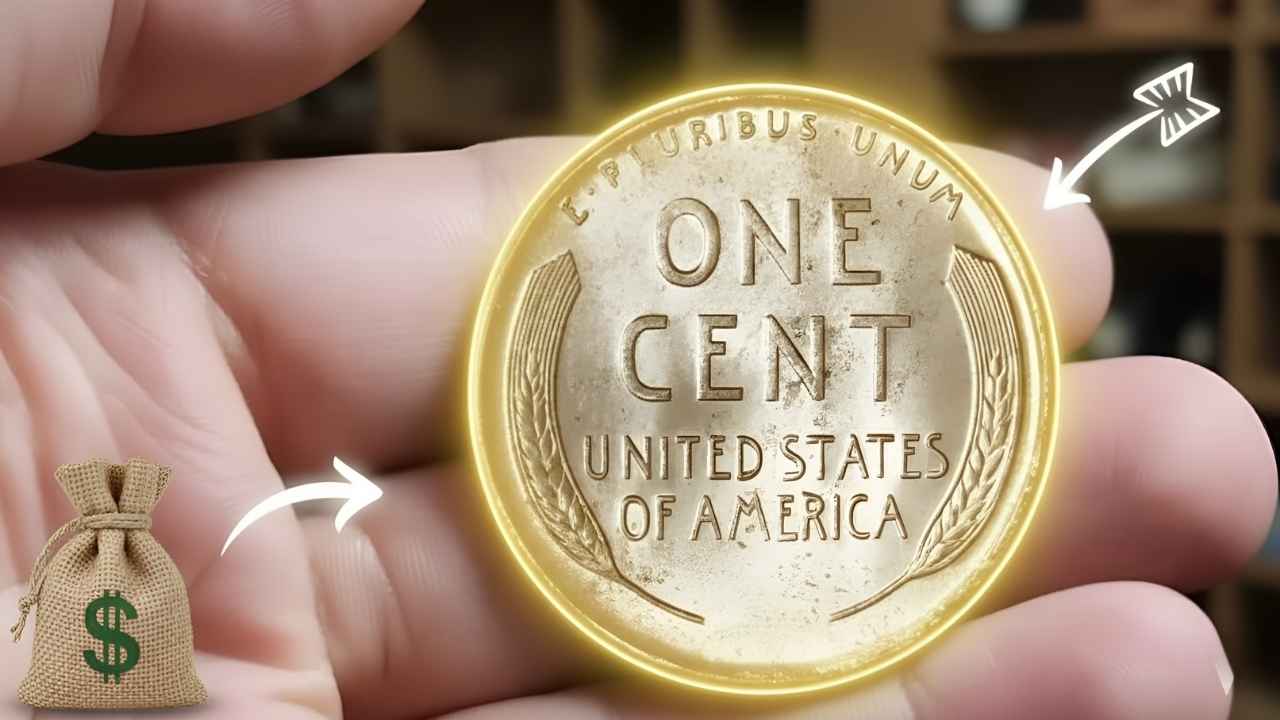
Wheat Penny Values 1909–1958 : The Lincoln Wheat Penny is one of the most iconic coins in American numismatics. Minted from 1909 to 1958, it features Abraham Lincoln on the obverse and two wheat stalks on the reverse. For collectors, these coins represent both history and artistry, and their values vary widely depending on rarity, condition, and demand. This guide provides a complete overview of Wheat Penny values across the series, helping collectors understand which coins are common, which are rare, and how prices have evolved.
The Introduction of the Wheat Penny
The Wheat Penny was first issued in 1909 to commemorate the centennial of Abraham Lincoln’s birth. Designed by Victor David Brenner, it was the first U.S. coin to feature a real person. The initials “VDB” on the reverse of the earliest coins sparked controversy, leading to their removal later that year. As a result, the 1909-S VDB became one of the most famous and valuable coins in the series.

Key Dates and Rarities
Certain Wheat Pennies are considered key dates due to their low mintage or historical significance. The most notable include the 1909-S VDB, 1914-D, 1922 “No D,” and 1931-S. These coins consistently command high prices, especially in uncirculated condition. For example, a 1909-S VDB can sell for thousands of dollars depending on grade, while the 1914-D remains one of the most sought-after coins in the series.
Common Wheat Pennies
Not all Wheat Pennies are rare. Many dates from the 1940s and 1950s were produced in large quantities and remain common today. Circulated examples often trade for just a few cents above face value, while uncirculated coins may fetch a few dollars. These coins are popular among beginners because they are affordable and easy to find, making them an accessible entry point into coin collecting.

The 1943 Steel Penny
One of the most unique issues in the Wheat Penny series is the 1943 steel penny. During World War II, copper was needed for military purposes, so the Mint struck pennies from zinc-coated steel. These coins are distinctive in appearance and widely collected. While most are common, rare errors such as 1943 copper pennies are extremely valuable, with prices reaching tens of thousands of dollars.
Condition and Grading
Condition is the most important factor in determining value. Coins are graded on a scale from Poor to Mint State, with higher grades commanding higher prices. Professional grading services provide authentication and assign grades, giving collectors confidence in their purchases. Over the past decade, certified coins in grades MS65 and above have seen strong appreciation, particularly for key dates.

Market Trends Over Time
Wheat Penny values have shown steady growth over the past several decades. Common dates have remained stable, while rare and high-grade examples have appreciated significantly. Auction records highlight the strength of the market, with key issues consistently selling for impressive sums. The combination of nostalgia and investment potential ensures that Wheat Pennies remain popular among collectors.
Collecting Strategies
Collectors approach Wheat Pennies in different ways. Some aim to build complete date-and-mintmark sets, while others focus on acquiring only key dates or error coins. Beginners often start with circulated coins from the 1940s and 1950s, while advanced collectors pursue rare varieties in mint state. Regardless of strategy, patience and research are essential for success.
Investment Potential
Wheat Pennies offer both sentimental and financial value. While not every coin will appreciate dramatically, key dates and rare varieties have consistently increased in value. For investors seeking diversification, Wheat Pennies provide a tangible asset with historical significance. However, successful investment requires knowledge of grading, authenticity, and market trends.
The Legacy of Wheat Pennies
The Wheat Penny is more than just a coin. It represents a pivotal moment in American history, honoring Abraham Lincoln and symbolizing the nation’s resilience through decades of change. From the earliest 1909 issues to the final 1958 strikes, Wheat Pennies continue to captivate collectors and investors alike. Their enduring popularity ensures that they will remain a cornerstone of numismatics for generations to come.

Conclusion
Wheat Pennies minted between 1909 and 1958 offer a fascinating journey through American coinage. From common circulation strikes to rare key dates, their values reflect both historical significance and collector demand. Understanding rarity, condition, and market trends allows collectors to make informed decisions. Whether pursued for passion or profit, Wheat Pennies remain one of the most rewarding series in coin collecting, offering both history and value in every piece.