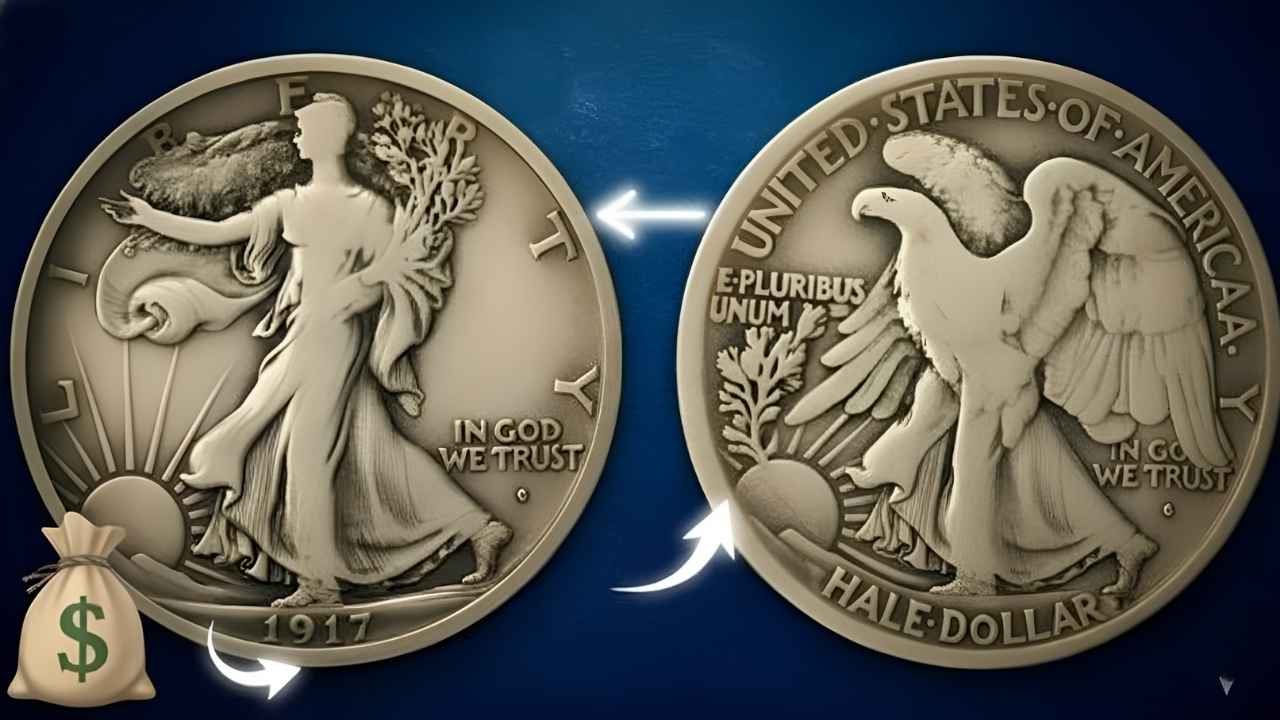
1917 Walking Liberty Half Dollar Prices: The Walking Liberty Half Dollar is one of the most admired coins in American numismatics. Designed by Adolph A. Weinman, it was minted from 1916 to 1947 and is celebrated for its artistic beauty and historical significance. The 1917 issue, in particular, stands out as a key year in the series, offering collectors both common circulation strikes and rare varieties that can command impressive prices today. This guide explores the value trends, varieties, and collector insights surrounding the 1917 Walking Liberty Half Dollar.
The Design and Symbolism
The obverse of the coin features Lady Liberty striding confidently toward the rising sun, draped in the American flag and carrying branches of laurel and oak to symbolize civil and military glory. The reverse depicts a majestic eagle perched on a rock, wings partially unfolded, representing strength and vigilance. Weinman’s design was considered revolutionary at the time and remains one of the most iconic in U.S. coinage history.
Mint Locations and Varieties
The 1917 Walking Liberty Half Dollar was struck at three different mints: Philadelphia, Denver, and San Francisco. Coins from Philadelphia carry no mint mark, while those from Denver and San Francisco bear a “D” or “S.” What makes the 1917 issue particularly interesting is the placement of the mint mark. Early in the year, the mint mark appeared on the obverse below “In God We Trust.” Later, it was moved to the reverse beneath the eagle. This change created two distinct varieties for both the Denver and San Francisco issues, making them highly collectible.
Value of the 1917 Philadelphia Issue
The Philadelphia Mint produced millions of 1917 Walking Liberty Half Dollars, making them relatively common compared to their branch mint counterparts. In circulated condition, these coins are often worth between $15 and $50, depending on wear. However, uncirculated examples can fetch several hundred dollars, with high-grade specimens reaching into the thousands. Collectors prize coins with strong luster and sharp details, especially those certified by professional grading services.
Value of the 1917-D Issue
The Denver Mint struck both obverse and reverse mint mark varieties in 1917. The obverse mint mark variety is scarcer and generally commands higher prices. Circulated examples may range from $30 to $150, while uncirculated coins can sell for several thousand dollars, particularly in grades MS65 and above. The reverse mint mark variety is more common but still valuable, with prices ranging from $25 in circulated condition to over $1,000 in mint state.
Value of the 1917-S Issue
The San Francisco Mint also produced both obverse and reverse mint mark varieties. Like the Denver issue, the obverse mint mark variety is scarcer and more desirable. Circulated examples often sell for $40 to $200, while uncirculated coins can reach several thousand dollars. The reverse mint mark variety is more widely available, with circulated coins valued between $25 and $100 and mint state examples commanding higher premiums.

Condition and Grading
Condition is the most important factor in determining value. Coins are graded on a scale from Poor to Mint State, with higher grades commanding higher prices. Walking Liberty Half Dollars are notoriously difficult to find in high grades due to their large size and tendency to show wear. Collectors look for coins with minimal marks, strong strike details, and original luster. Certified coins from grading services such as PCGS or NGC provide assurance of authenticity and quality.
Auction Highlights
Over the years, high-grade 1917 Walking Liberty Half Dollars have achieved impressive results at auction. Obverse mint mark varieties in MS66 or higher have sold for tens of thousands of dollars, reflecting their rarity and demand. Even reverse mint mark varieties in exceptional condition can command strong prices. These auction records serve as benchmarks for collectors and highlight the enduring appeal of the series.
Collecting Strategies
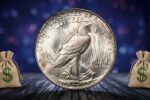
Collectors approach the 1917 Walking Liberty Half Dollar in different ways. Some aim to acquire one example from each mint and variety, creating a complete set for the year. Others focus on condition, seeking the highest grades possible. Beginners may start with circulated coins, which are more affordable, while advanced collectors pursue rare mint mark varieties in mint state. Regardless of approach, patience and research are essential.
Investment Potential
The 1917 Walking Liberty Half Dollar offers both historical and financial value. Rare varieties and high-grade examples have consistently appreciated over time, making them attractive to investors seeking alternative assets. However, investing in coins requires knowledge of grading, authenticity, and market trends. While not every coin will rise dramatically in value, key issues from 1917 have proven to be strong performers in the numismatic market.
Conclusion
The 1917 Walking Liberty Half Dollar is more than just a coin. It is a masterpiece of design, a symbol of American history, and a prized collectible. With multiple mint mark varieties and a wide range of values depending on condition, it offers something for every collector. From affordable circulated examples to rare high-grade treasures, the 1917 issue continues to captivate numismatists and investors alike. Its legacy as one of the most beautiful coins ever minted ensures that it will remain a cornerstone of coin collecting for generations to come.