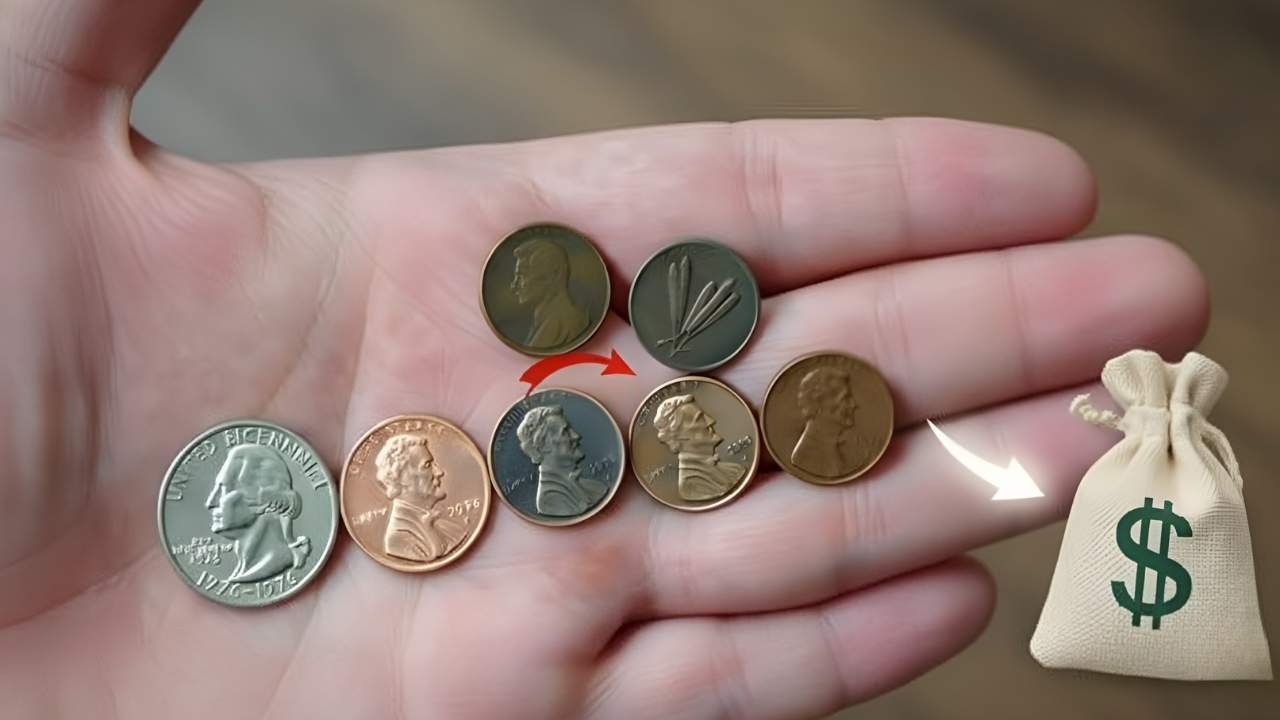
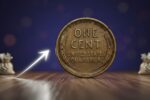
Wheat Penny Value Trends: The Wheat Penny, officially known as the Lincoln Wheat Cent, remains one of the most beloved coins in American numismatics. Minted from 1909 to 1958, it features the iconic portrait of Abraham Lincoln on the obverse and two wheat stalks on the reverse. Over the past decade, values for Wheat Pennies have shown fascinating trends, influenced by rarity, condition, and collector demand. This guide explores how these coins have performed in the market over the last ten years and what collectors can expect moving forward.
The Enduring Appeal of Wheat Pennies
Wheat Pennies hold a special place in the hearts of collectors. They were the first U.S. coins to feature a real person rather than a symbolic figure, and their design reflects both simplicity and elegance. For many collectors, Wheat Pennies are the starting point of their numismatic journey, often discovered in old jars, inherited collections, or even pocket change decades ago. Their accessibility and historical significance ensure that they remain popular across generations.
Rarity and Key Dates
Not all Wheat Pennies are created equal. Certain dates and mint marks are considered key issues and command higher prices. Coins such as the 1909-S VDB, 1914-D, and 1931-S are legendary among collectors. Over the past decade, values for these key dates have steadily increased, particularly in higher grades. For example, a 1909-S VDB in mint state condition has seen consistent appreciation, reflecting both its rarity and enduring demand.
Condition and Grading Trends
Condition plays a critical role in determining value. Circulated Wheat Pennies are common and often worth only a few cents, but uncirculated examples can be worth hundreds or even thousands of dollars. Over the last ten years, the market has shown a strong preference for coins graded by professional services. Certified coins in grades MS65 and above have seen significant price growth, as collectors and investors seek assurance of authenticity and quality.
Market Demand Over the Decade
The past ten years have witnessed steady demand for Wheat Pennies, driven by both seasoned collectors and newcomers. Online marketplaces and auction platforms have made these coins more accessible, expanding the collector base worldwide. As a result, prices for mid-range coins have remained stable, while rare and high-grade examples have surged. The combination of nostalgia and investment potential has kept Wheat Pennies at the forefront of the hobby.
Influence of Silver and Copper Prices
Although Wheat Pennies are composed primarily of copper, fluctuations in metal prices have occasionally influenced their baseline value. During periods of rising copper prices, even common Wheat Pennies gained attention as tangible assets. However, their true value lies in rarity and condition rather than metal content. Over the past decade, collector demand has consistently outweighed commodity trends in determining prices.

Auction Highlights
Several notable auction sales have underscored the strength of the Wheat Penny market. High-grade examples of key dates have fetched impressive sums, sometimes exceeding expectations. These sales serve as benchmarks for collectors and investors, reinforcing the idea that Wheat Pennies remain a viable and rewarding pursuit. Auction houses continue to feature Wheat Pennies prominently, ensuring their visibility in the numismatic community.
Collecting Strategies
Collectors approach Wheat Pennies in different ways. Some aim to build complete date-and-mintmark sets, while others focus on acquiring only key dates or high-grade examples. Over the past decade, set-building has remained popular, with collectors enjoying the challenge of filling every slot in an album. Meanwhile, investors often target rare dates in top condition, viewing them as long-term assets. Both strategies have proven rewarding, depending on individual goals.
Investment Potential
Wheat Pennies have shown resilience as collectibles and investments. While not every coin will appreciate dramatically, key dates and high-grade examples have consistently increased in value over the past ten years. For investors seeking diversification, Wheat Pennies offer a tangible asset with historical significance. However, successful investment requires knowledge, patience, and careful selection, as the market rewards rarity and quality above all else.
The Future Outlook
Looking ahead, Wheat Pennies are likely to remain strong in the numismatic market. Their historical importance, combined with steady demand, ensures continued interest. As younger generations discover coin collecting, Wheat Pennies will serve as an accessible entry point. Meanwhile, rare and high-grade examples will continue to attract serious collectors and investors. The next decade promises stability with potential growth, particularly for coins that combine rarity and condition.
Conclusion
The past ten years have confirmed the enduring appeal of Wheat Pennies. From common circulation strikes to rare key dates, these coins have maintained strong demand and shown consistent value trends. Collectors appreciate them for their history and design, while investors recognize their potential as tangible assets. Whether pursued for passion or profit, Wheat Pennies remain a cornerstone of American numismatics, offering lessons from the past and opportunities for the future.