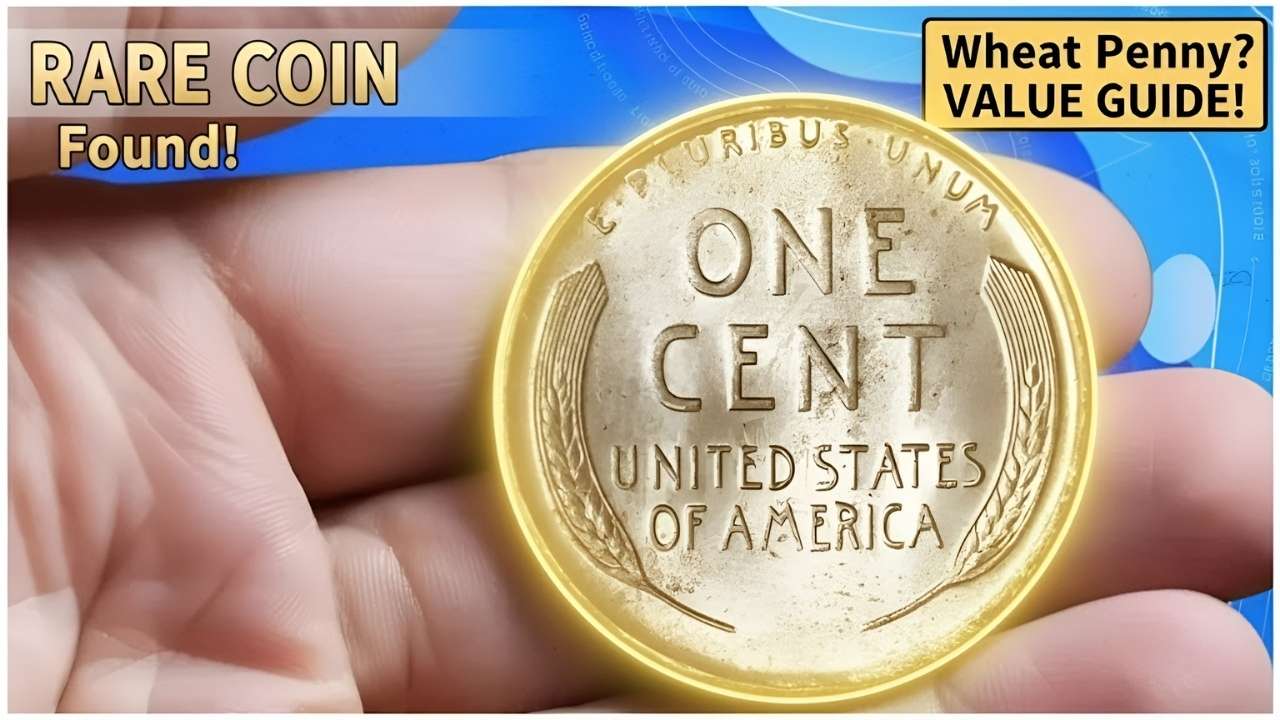
Wheat Penny Price Chart 1909–1958: The Lincoln Wheat penny, minted from 1909 to 1958, is one of the most iconic coins in American numismatics. Its reverse design featuring two wheat stalks gave it the nickname “Wheat penny.” While millions were produced, certain dates and mint marks are rare and highly valuable. Collectors have long sought these coins, and their values have steadily increased over time.
Historical Background
The Wheat penny was introduced to honor President Abraham Lincoln, marking the centennial of his birth. Designed by Victor David Brenner, it was the first U.S. coin to feature a real person. The series ran for nearly five decades, creating a wide range of varieties, mint marks, and rarities that continue to fascinate collectors today.
Key Dates and Values
Some Wheat pennies are worth only a few cents, while others can fetch thousands of dollars. The most valuable examples are usually those with low mintages, rare varieties, or minting errors.
- 1909-S VDB: The most famous Wheat penny, with values ranging from hundreds to tens of thousands depending on condition.
- 1914-D: A key rarity, especially in higher grades, often worth thousands.
- 1922 No D: A variety without the Denver mint mark, highly prized by collectors.
- 1931-S: With a low mintage, this coin is valuable even in circulated condition.
- 1955 Double Die: One of the most dramatic error coins, worth thousands in uncirculated grades.
Price Trends Over Time
Over the past several decades, Wheat penny values have shown steady appreciation. Auction records reveal that rare examples continue to set new price benchmarks. Collectors are increasingly interested in professionally graded coins, which has helped stabilize values and build confidence in the market.
Condition and Grading
The condition of a Wheat penny plays a crucial role in determining its value. Coins are graded on a scale from Poor (P-1) to Mint State (MS-70). A heavily worn coin may only be worth a few cents, while a gem-quality coin can command thousands. Professional grading services provide certification that ensures authenticity and helps establish market value.
Error Coins and Varieties
Error coins such as double dies, off-center strikes, and repunched mint marks have gained popularity. The 1955 Double Die remains the most famous, but other varieties have also seen rising values. Collectors are drawn to these coins because they represent unique anomalies in minting history.
Collector Demand
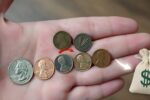
Wheat pennies are among the most collected coins in the United States. Their affordability makes them accessible to beginners, while rare varieties provide excitement for advanced collectors. The combination of history, artistry, and rarity ensures that demand remains strong.
Preservation and Care
Proper storage is essential for maintaining the value of Wheat pennies. Coins should be kept in protective holders or albums to prevent scratches and tarnish. Avoid cleaning coins, as this can reduce their value. Keeping coins in a stable environment with low humidity will help preserve their condition for future generations.
Investment Potential
Wheat pennies have proven to be strong investments. Their values have steadily increased, and demand shows no signs of slowing. For collectors and investors alike, key dates and high-grade examples offer both historical significance and financial potential.
Conclusion
The Wheat penny series from 1909 to 1958 is a cornerstone of American coin collecting. With its rich history, iconic design, and wide range of rarities, it continues to captivate collectors. From the famous 1909-S VDB to the dramatic 1955 Double Die, these coins represent both historical treasures and valuable investments. A complete price chart of Wheat pennies offers collectors a guide to understanding values and trends, making it easier to build meaningful collections and appreciate the legacy of these remarkable coins.