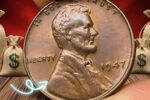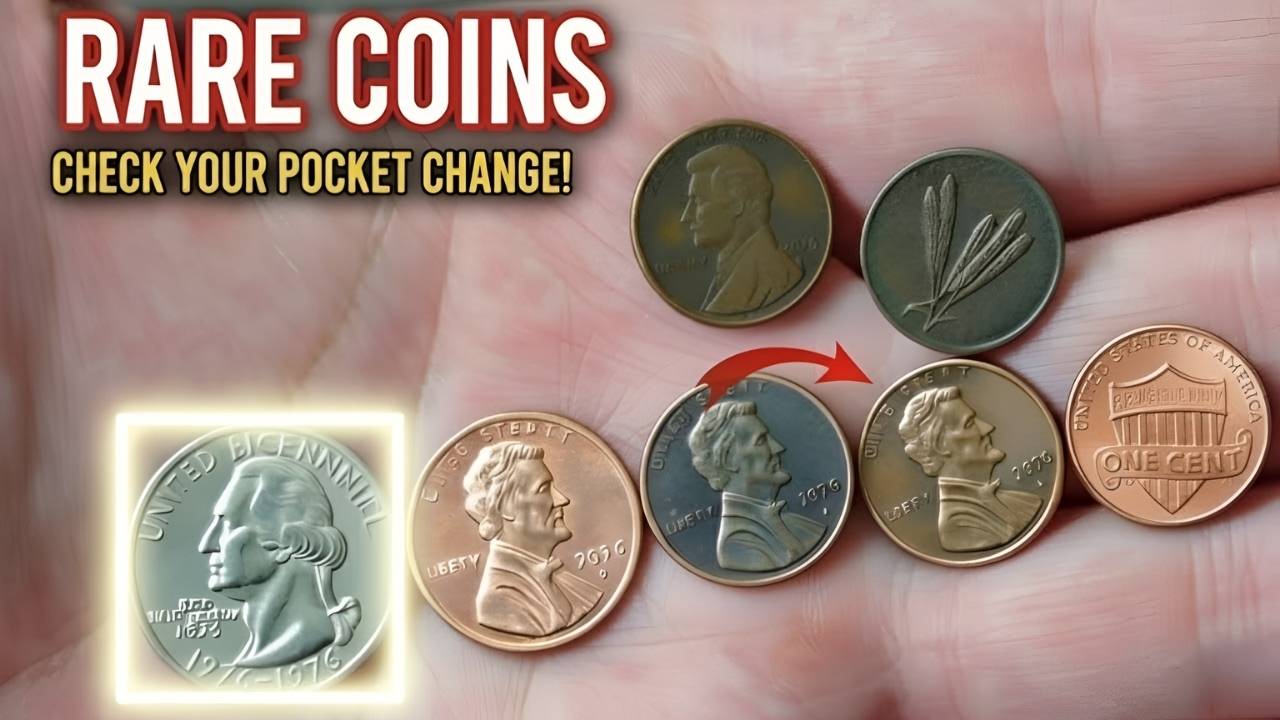
Wheat Penny Values Over the Past 10 Years: The Lincoln Wheat penny, minted from 1909 to 1958, is one of the most beloved coins among collectors. Its distinctive reverse design featuring two wheat stalks gives it its name. While many Wheat pennies are common and worth only a few cents, certain dates, mint marks, and varieties have become highly valuable. Over the past decade, the market for Wheat pennies has seen steady growth, making them a collector’s dream.
Historical Significance
The Wheat penny was introduced to honor President Abraham Lincoln, marking the first time a U.S. coin featured a real person. Designed by Victor David Brenner, the coin quickly became iconic. Its long production run means millions exist, but scarcity in certain years and conditions has driven values upward.

Market Trends Over the Past 10 Years
In the last decade, Wheat penny values have consistently risen, especially for rare key dates and mint errors. Collectors have shown increasing interest in coins graded by professional services, which has boosted demand for high-quality examples. Auction records reveal that rare Wheat pennies continue to set new price benchmarks.
Key Dates That Have Gained Value
- 1909-S VDB: The most famous Wheat penny, with values climbing steadily. High-grade examples have sold for tens of thousands of dollars.
- 1914-D: Known as one of the toughest dates to find in good condition, its value has appreciated significantly.
- 1922 No D: A variety without the Denver mint mark, which has become increasingly valuable.
- 1931-S: With a low mintage, this coin has seen strong growth in collector demand.
- 1955 Double Die: One of the most dramatic error coins, its value has surged over the past decade.
Auction Highlights
Over the past ten years, several Wheat pennies have achieved record-breaking prices. For example, a 1909-S VDB in near-perfect condition sold for over $100,000. Similarly, the 1955 Double Die has fetched tens of thousands depending on grade. These auction results demonstrate the enduring appeal of Wheat pennies.
Condition and Grading Impact
The condition of a Wheat penny is crucial in determining its value. Coins graded Mint State (MS) or Proof are worth far more than circulated examples. Over the past decade, collectors have increasingly relied on professional grading services, which has helped stabilize values and build confidence in the market.
Error Coins and Varieties
Error coins such as off-center strikes, double dies, and repunched mint marks have gained popularity. The 1955 Double Die remains the most famous, but other varieties have also seen rising values. Collectors are drawn to these coins because they represent unique anomalies in minting history.
Investment Potential
Wheat pennies have proven to be strong investments. Their values have steadily increased over the past decade, and demand shows no signs of slowing. For collectors and investors alike, key dates and high-grade examples offer both historical significance and financial potential.
Tips for Collectors
- Focus on key dates and mint errors, as these have shown the greatest appreciation.
- Preserve coins in protective holders to maintain condition.
- Avoid cleaning coins, as this can reduce their value.
- Consider professional grading for rare or high-quality examples.
Conclusion
Wheat pennies are more than just small copper coins. They are pieces of history that continue to captivate collectors. Over the past ten years, values have risen steadily, especially for rare dates and error varieties. For those who dream of building a meaningful collection, Wheat pennies remain one of the most rewarding areas of numismatics.