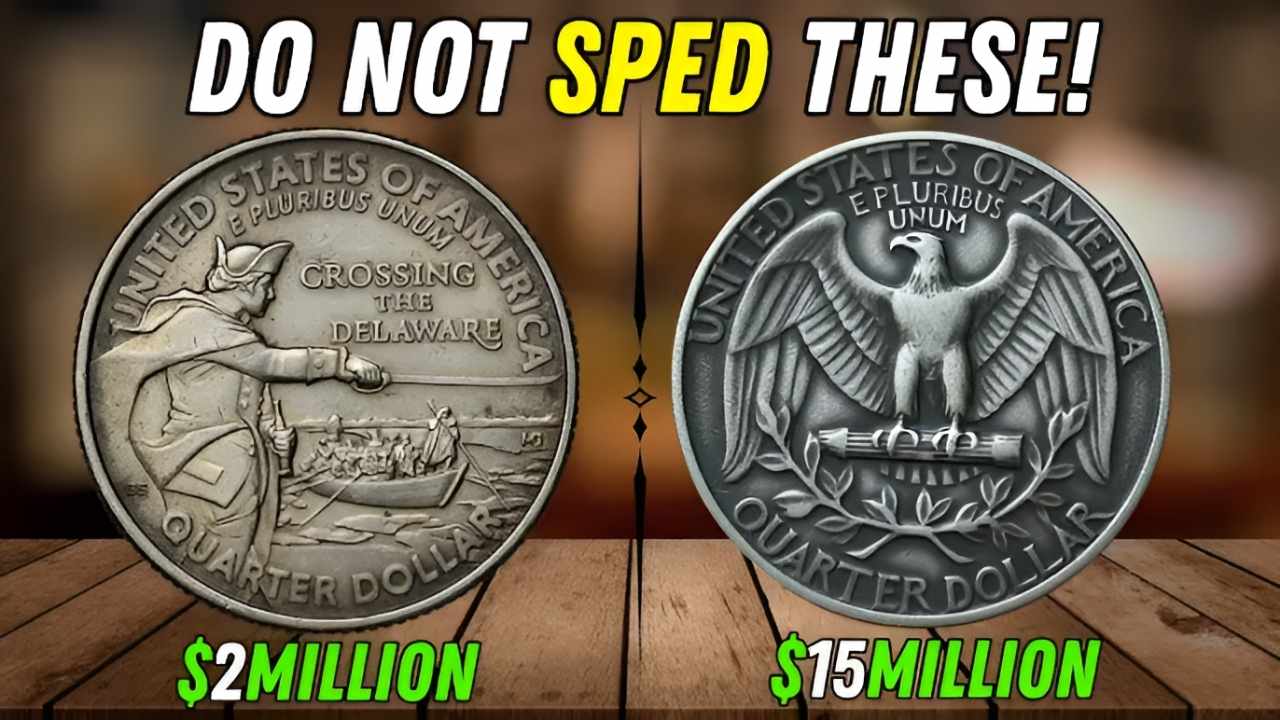
1976 Bicentennial Quarter Value: The 1976 Bicentennial Quarter is one of the most recognizable coins in American history. Issued to celebrate the 200th anniversary of the signing of the Declaration of Independence, it features a unique design that sets it apart from regular Washington quarters. While millions were minted and many remain in circulation today, certain varieties and conditions make some Bicentennial quarters worth far more than their face value. Collectors continue to search for these rare coins, hoping to uncover hidden treasures in pocket change.
Historical Background
In 1976, the United States Mint released special coins to commemorate the nation’s bicentennial. The quarter, half dollar, and dollar all received new reverse designs. The Bicentennial Quarter was designed by Jack L. Ahr and features a colonial drummer with a torch surrounded by thirteen stars. The obverse retained George Washington’s portrait but included the dual date 1776–1976. This patriotic design captured the spirit of the celebration and remains a favorite among collectors.

Mint Marks and Production
The Bicentennial Quarter was produced at several mints, including Philadelphia, Denver, and San Francisco. Philadelphia coins carry no mint mark, Denver coins bear a D, and San Francisco coins display an S. The San Francisco Mint also produced proof coins and special silver-clad issues for collectors. With hundreds of millions struck, most Bicentennial quarters are common, but certain mint marks and varieties are more desirable.
The Silver Bicentennial Quarters
One of the most valuable versions of the 1976 quarter is the silver-clad proof and uncirculated issues produced by the San Francisco Mint. These coins contain 40 percent silver and were sold in special sets to collectors. While not rare in absolute numbers, they are far less common than the standard copper-nickel quarters. High-grade silver Bicentennial quarters can sell for significant premiums, especially when preserved in pristine condition.

Error Coins and Varieties
Minting errors add another layer of rarity to the Bicentennial quarter. Off-center strikes, double dies, and other anomalies can make a coin worth far more than its face value. Collectors prize these unusual pieces because they represent mistakes in the minting process that are seldom repeated. Discovering an error Bicentennial quarter in circulation is rare but possible, and such coins often command high prices at auction.
Condition and Grading
Condition plays a crucial role in determining the value of Bicentennial quarters. Circulated coins are usually worth only face value, but uncirculated examples can be worth much more. Professional grading services evaluate coins based on strike quality, luster, and preservation. A Bicentennial quarter in mint state with sharp details can fetch several dollars, while proof and silver issues in perfect condition may reach even higher values.

Why Collectors Value the Bicentennial Quarter
Collectors are drawn to the Bicentennial quarter for several reasons. First, it represents a unique moment in American history, celebrating the nation’s 200th birthday. Second, the special design makes it stand out from other Washington quarters. Finally, the presence of silver issues and rare errors adds excitement and potential value. For many numismatists, the Bicentennial quarter is both a nostalgic keepsake and a valuable collectible.
Famous Auction Sales
Over the years, rare Bicentennial quarters have appeared at auctions and fetched impressive prices. Silver-clad proofs in high grades have sold for hundreds, while error coins have reached into the thousands. These auction records highlight the demand among collectors and the willingness to pay big money for exceptional examples. They also serve as benchmarks for current market values and inspire collectors to search for hidden treasures in their own collections.
Tips for Identifying Valuable Bicentennial Quarters
Collectors should carefully examine their 1976 quarters for mint marks, silver content, and potential errors. A magnifying glass or microscope can reveal details such as doubled lettering, off-center strikes, or unusual planchet flaws. Weighing a coin can also help determine if it is silver-clad, as these coins are slightly heavier than copper-nickel issues. Consulting reference guides and professional graders can confirm rarity and authenticity.
The Thrill of Coin Collecting
The pursuit of rare coins like the Bicentennial quarter is part of the broader joy of coin collecting. Collectors enjoy the challenge of finding hidden gems, learning about history, and building collections that reflect personal interests. The financial rewards are an added bonus, but the true value lies in the stories coins tell and the connections they create across generations.

Investment Potential
Rare coins, including Bicentennial quarters, can also serve as investments. Their value tends to appreciate over time, especially for scarce varieties and high-grade examples. While coin collecting should primarily be a hobby, many collectors view their collections as long-term assets. The rarity and demand for coins like the silver Bicentennial quarter or error varieties make them attractive options for those seeking alternative investments.
Bicentennial Quarters in Circulation Today
Despite being minted nearly fifty years ago, Bicentennial quarters remain in circulation. Millions were produced, and many still turn up in pocket change. While most are worth only face value, the possibility of finding a rare variety keeps collectors searching. The idea that a valuable coin could be hiding in everyday transactions adds an element of excitement to the hobby.

Conclusion
The 1976 Bicentennial Quarter is more than just a piece of currency. It is a symbol of American history, a celebration of independence, and a collectible that continues to captivate numismatists. From silver-clad proofs to rare error coins, the Bicentennial quarter offers opportunities for both beginners and experienced collectors. Its value lies not only in its monetary worth but also in its historical significance and the thrill of discovery. For anyone interested in coin collecting, the Bicentennial quarter is a reminder that even the most common coins can hold extraordinary stories and treasures.